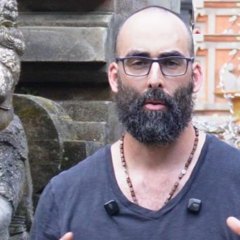

Megpróbáljuk értelmezni a fegyelmet a nei gong és csikung területein. Könnyű a sportban, a harcművészetben és a munkában. Hozzáadott megértést igényel a nei gong kapcsán. Ennek pedig kultúrális és civilizációs okai vannak itt Európában. Következés képpen, ez a bejegyzés sem lesz népszerű, ellenszenvet válthat ki , akár ellenállást is. Alapvetően bármikor készen állok egy párbeszédre a témával kapcsolatban.
A csikung és nei gong iránt érdeklődők merőben eltérnek életkorban, szándékban és kíváncsiságban. Sokan tudni vélik, hogy mit keresnek és feladják, ha nem azt találják, amit elképzeltek. A csikung és nei gong nyújtotta lehetőségek tárgyalásán túlmutat ez a bejegyzés, úgy, hogy közben kapcsolatban áll vele. Így érthető már, hogy nem mindenkinek szólnak ezek a mondatok.
Könnyű dolgunk van egy kurzuson vagy torna órán, a tanár, vagy edző fegyelmez bennünket. Ezt alapvetően mindenki meg tudja ugrani, aki elhatározta magát abban, amit a tanár, vagy edző ajánl. Érdekes fejlemény akkor ébred fel, amikor egyedül maradunk a gyakorlással, edzéssel. Ez a fegyelemnek a külső része. Ez az ok okozati láncolat megértésének alapja. Fegyelmezni magam, hogy gyakoroljak és eddzek. Ez alapvető és külső, úgy gondolom.
Ez az első akadály a fegyelemben ( amely szótól ma írtózik a társadalom nagy része.) , amelyet meg kellene ugranunk, külső segítség nélkül is, saját megértésből, a jutalom ígérete nélkül is gyakorolni és edzeni. Ebben óriási kincs rejlik, és nehézsége révén ezt a kincset csak kevesen kapják meg. Általában a tehetségesnek címkézett emberek kevésbé fegyelmezettek, így nehezebb dolguk van elérni hosszú távú célokat. A tehetségtelenebb, de határozott egyének kidolgozzák magukban a fegyelmet.
Fegyelem, nevelés. Hiszed vagy sem ez a csikungban alapvető.
Csikung: a csi művelésének képessége. Hogyan is gondoljuk megszerezni ezt a képességet fegyelem és nevelés nélkül?
Ott kezdődik az egész, hogy logikusan végig gondolva levonom a szükséges következtetéseket. Például: nyilván azért kezdek a gyakorlásba, edzésbe, mert a testem elmém rakoncátlan, nem úgy működik, ahogy szeretném. Ha eljutunk eddig a felismerésig, az már jó, de korántsem elég. Nagyon sokan rekednek meg itt, és lustaságból, vagy tudatlanságból álomba, tévhitekbe ringatják magukat, a kiskapukat, kerülő utakat használva.
Vagy ha sikerült is megérteni a fegyelmezés, nevelés érveit, hamar elfeledkezünk róla. Mert nehéz.Nagyon hamar találunk kifogásokat és magyarázatokat, amelyek kecsegtetőbbek.
Még senkivel nem találkoztam, aki nem kemény munkával, fegyelemmel és saját magának az adott területre való átnevelésével érte volna el sikereit. Sem a sportban, sem a magán életben. Nem láttam még boxolót, aki pusztán vizualizációval érte volna el kiütéseit. De alapvetően nem is ez a lényege, hanem…
A fegyelmet, csak fegyelmezéssel lehet elérni, ez annyit jelent, hogy újra és újra, szakadatlanul gyakorlom. A tárgya változhat a gyakorlásnak, de a nevelés és fegyelmezés ugyan az. Értem én, hogy negatív csengése van mára a “fegyelmez” , szónak, de akiknek számít a fejlődés érteni fogják, hogy ettől el kell tekinteni és a lényeget kell látni. Törekedni fognak a megértésre.
Nekem annyiból van “könnyű” dolgom, hogy a több mint húsz éves sport pályafutás okán ismerem a fegyelmezett életvitelt, így fel tudom ismerni magamon, amikor nem vagyok az. Másik szempontból sokkal nehezebb dolgom van, magasabbak az elvárásaim saját magammal szemben is.
Sok hozzám közel álló javasolta, hogy vegyek vissza, csak finom könnyű csikung gyakorlatokat tanítsak, ami tetszik a többségnek. Igyekezzek őket lassan rávenni majd utána a picit nehezebb munkára, stb. Micsoda ámítás. Tanáromtól sem tapasztaltam ezt a hozzállást soha sem. Én sem látom értelmét, hogy 1 unciával is kevesebbet adjak, annál , mint amit értek és amiben hinni tudok. Látom, hogy ezt teszik elegen, rajtam kívül is.
Értse meg, akinek fontos ez a kérdés, a csikung, a csi művelése, nevelése, azt jelenti, hogy egy részemet kell művelnem, ezt akkor tudom megtenni ha értem amit csinálok és fegyelmezni tudom magam. Nem csak fizikailag. Mentálisan is. És ezt nem lehet megtanítani, ha alá célzunk és azt sugalljuk, hogy elég a napi 20 perc gyakorlás, csak érezd jól magad, stb. És akkor sem, ha nem tudjuk pontosan mi a csikung. Akkor pedig végképp nem, ha nem vagyunk fegyelmezettek. Nagyon jó példa kérdés: Kit szeretnél, hogy megműtsön, ha oda kerül a sor, az évfolyam utolsót, szétszórt, fegyelmezetlen orvost, akinek remeg a keze, nem bírja a nyomást és pánikra hajlamos, esetleg túlterhelt és nem ismeri a kompetencia határait, vagy azt aki tudja mit csinál, felkészül a műtéteire, fegyelmezett, a saját egészsége is jó, és nem youtube videó után akar megmetszeni?
A napi gyakorlás magába foglal már egy alap szintű fegyelmet, amikor képes valaki rávenni magát a napi gyakorlásra, akkor a csikung saját eredményein felül fegyelmezettségét fejleszti. Erre épül rá, a csikung gyakorlás sajátossága, ami azt jelenti, hogy minden gyakorlat, amennyiben autentikus forrásból származik, specifikus cél érdekében végzendő. Azaz, valamit csinál a cél csi minőségével, mennyiségével, irányával, terével. Ez kérem szépen ha tetszik ha nem, nevelés, fegyelmezés. A szétszórtból, rendezett lesz. A rendezett ember pedig (élet)erős, határozott, magabiztos és kitartó. Kitart, a cél irány felé.
Számos problémánk , életünket nehezítő tényezőt számolhatunk fel azzal, ha erősebbé és fegyelmezettebbé válunk. (A felnőtt számára az ön fegyelmezés, olyas valami, amit sosem kell abba hagynia. tévképzet, hogy vége a tanulásnak és a fejlődésnek egy bizonyos korban. Ennek hiányában csak hanyatlani tud a szervezet.)
Szóval, buktam: 1) a spirituális túristákat, hippiket, 2) a kikapcsolódás érdekében csikungozókat, 3) azokat, akik problémáik elkerülésére, menekvésként tekintenek a csikungra, vagy spiritualitásra, 4) akik úgy érzik, elég nehéz az élet anélkül is, hogy még neki álljanak fegyelmezni magukat, 5) akik az életet csak élvezni akarják, 6) akik nem akarnak többé keményen dolgozni, 7) akik azt hiszik, már rendelkeznek egy sor képességgel, amivel valójában nem, stb. Kihagytam valakit? 🙂
Mindez, nem azt jelenti, hogy csupán fegyelem kell a csikunghoz és ez egy baromi szigorú cucc. Ááá, dehogy is! A művészet benne, hogy ezt csináld mosolyogva. ” Amit utálsz megtenni, tedd úgy, mintha imádnád.” – Mike Tyson. egy sor minőség sorakozik még a fegyelmezettség mellett. Például, a könnyű szívűség, az egykedvű nyugalom, a bölcsesség, a tisztán látás, a testi erő. Most komolyan, ki hiszi el, hogy ez az ölünkbe pottyan? A teremtő azért alkotott minket, hogy a lábunkat lógassuk? Ha akarsz valamit, kelj fel és csináld. Senki sem fogja megkérdezni, hogy szenvedsz e, és nem is kell , hogy megkérdezzék. A doglok természetének megértése hallgattat el, csinálni kell. Senki sem adhat fegyelmezettséget neked. Azért meg kell küzdeni, ez a lényege. Aki nem érti, ez miért szükséges, az tudatlan. Mind a tudatlanságból indulunk. Hát hajrá.
We try to interpret discipline in the fields of nei gong and qi gong. It is easy in sport, martial arts and work. In connection with nei gong it requires added understanding. And this has cultural and civilisational reasons here in Europe. Consequently, this post will not be popular either, it may provoke dislike, even resistance. In principle I am ready for a dialogue on the topic at any time.
Those interested in qi gong and nei gong differ greatly in age, intention and curiosity. Many think they know what they are looking for and give up if they do not find what they imagined. This post reaches beyond a discussion of the opportunities offered by qi gong and nei gong, while staying connected to it. So it is understandable that these sentences are not for everyone.
We have it easy in a course or an exercise class, where the teacher or coach disciplines us. Basically anyone who has made up their mind about what the teacher or coach recommends can clear this hurdle. An interesting development awakens when we are left alone with the practice, the training. This is the external part of discipline. This is the basis for understanding the chain of cause and effect. Disciplining myself to practise and train. This is basic and external, I think.
This is the first obstacle in discipline (a word that a large part of society shudders at today) that we should clear: to practise and train without outside help, out of our own understanding, without the promise of a reward. There is a huge treasure in this, and because of its difficulty only a few receive this treasure. In general, people labelled as talented are less disciplined, so they have a harder time reaching long-term goals. The less talented but determined individuals develop discipline in themselves.
Discipline, upbringing. Believe it or not, this is fundamental in qi gong.
Qi gong: the ability to cultivate qi. How do we think we can acquire this ability without discipline and training?
It all starts with thinking things through logically and drawing the necessary conclusions. For example: obviously I begin to practise, to train, because my body and mind are unruly, they do not work the way I would like. If we get as far as this realisation, that is good, but far from enough. Very many get stuck here and, out of laziness or ignorance, lull themselves into dreams and misconceptions, using loopholes and detours.
Or even if we have managed to understand the arguments for discipline and training, we quickly forget them. Because it is hard. We very quickly find excuses and explanations that are more tempting.
I have not yet met anyone who achieved their successes without hard work, discipline and re-educating themselves for the given field. Neither in sport nor in private life. I have not yet seen a boxer who achieved his knockouts through visualisation alone. But fundamentally that is not the essence either, but…
Discipline can only be achieved through disciplining, which means that I practise again and again, without interruption. The object of the practice can change, but the training and the disciplining are the same. I understand that the word “discipline” has a negative ring today, but those for whom development matters will understand that one has to look past this and see the essence. They will strive to understand.
I have it “easy” in that, because of a sports career of more than twenty years, I know the disciplined way of life, so I can recognise in myself when I am not living it. From another point of view I have it much harder, my expectations of myself are higher too.
Many people close to me suggested that I tone it down, teach only gentle, easy qi gong exercises that the majority like. That I should try to slowly win them over and only then to slightly harder work, and so on. What a delusion. I never experienced this attitude from my teacher either. I too see no sense in giving even 1 ounce less than what I understand and what I can believe in. I see that enough people do this, besides me.
Let whoever this question matters to understand: qi gong, the cultivation and training of qi, means that I have to cultivate a part of myself, and I can do this if I understand what I am doing and can discipline myself. Not only physically. Mentally too. And this cannot be taught if we aim lower and suggest that 20 minutes of practice a day is enough, just feel good, and so on. Nor if we do not know exactly what qi gong is. And certainly not if we are not disciplined. A very good example question: whom would you want to operate on you, if it comes to that, the last in their year, a scattered, undisciplined doctor whose hand trembles, who cannot stand pressure and is prone to panic, perhaps overloaded and not knowing the limits of their competence, or the one who knows what they are doing, prepares for their operations, is disciplined, whose own health is good too, and who does not want to cut after a YouTube video?
Daily practice already contains a basic level of discipline: when someone can get themselves to practise daily, qi gong develops their discipline beyond its own results. What builds on this is the particularity of qi gong practice, which means that every exercise, provided it comes from an authentic source, is to be done for a specific purpose. That is, it does something with the quality, quantity, direction and space of the target qi. This, if you please, whether you like it or not, is training, disciplining. From scattered, one becomes ordered. And the ordered person is strong (in life force), determined, self-confident and persevering. They hold on toward the goal.
We can eliminate many of our problems, factors that make our life harder, by becoming stronger and more disciplined. (For the adult, self-discipline is something they must never stop. It is a misconception that learning and development end at a certain age. Without it the organism can only decline.)
So, I have failed: 1) the spiritual tourists, the hippies, 2) those who do qi gong to unwind, 3) those who look at qi gong or spirituality as an escape from their problems, 4) those who feel life is hard enough without setting about disciplining themselves too, 5) those who only want to enjoy life, 6) those who do not want to work hard any more, 7) those who think they already have a series of abilities that they actually do not, and so on. Did I leave anyone out? 🙂
All this does not mean that qi gong needs only discipline and that it is a damn strict thing. Oh no, not at all! The art in it is to do this smiling. “What you hate to do, do it as if you loved it.” – Mike Tyson. A series of qualities line up next to discipline. For example, light-heartedness, even-tempered calm, wisdom, clear seeing, bodily strength. Seriously now, who believes that this drops into our lap? Did the Creator make us to dangle our legs? If you want something, get up and do it. Nobody will ask whether you are suffering, and they do not need to. Understanding the nature of things silences you, you have to do it. Nobody can give you discipline. You have to fight for it, that is the essence. Whoever does not understand why this is necessary is ignorant. We all start from ignorance. So, go for it.
Wir versuchen, Disziplin in den Bereichen Nei Gong und Qi Gong zu deuten. Im Sport, in der Kampfkunst und bei der Arbeit ist das leicht. Im Zusammenhang mit Nei Gong braucht es ein zusätzliches Verständnis. Und das hat hier in Europa kulturelle und zivilisatorische Gründe. Folglich wird auch dieser Beitrag nicht beliebt sein, er kann Abneigung auslösen, sogar Widerstand. Grundsätzlich bin ich jederzeit zu einem Dialog über das Thema bereit.
Die Menschen, die sich für Qi Gong und Nei Gong interessieren, unterscheiden sich stark in Alter, Absicht und Neugier. Viele meinen zu wissen, was sie suchen, und geben auf, wenn sie nicht das finden, was sie sich vorgestellt haben. Dieser Beitrag reicht über eine Erörterung der Möglichkeiten hinaus, die Qi Gong und Nei Gong bieten, und steht doch zugleich mit ihr in Verbindung. So ist schon verständlich, dass diese Sätze nicht für alle bestimmt sind.
In einem Kurs oder einer Turnstunde haben wir es leicht, der Lehrer oder Trainer diszipliniert uns. Diese Hürde kann im Grunde jeder nehmen, der sich für das entschieden hat, was der Lehrer oder Trainer anbietet. Eine interessante Entwicklung erwacht dann, wenn wir mit dem Üben, dem Training allein bleiben. Das ist der äußere Teil der Disziplin. Das ist die Grundlage für das Verständnis der Kette von Ursache und Wirkung. Mich selbst zu disziplinieren, damit ich übe und trainiere. Das ist grundlegend und äußerlich, denke ich.
Das ist das erste Hindernis in der Disziplin (ein Wort, vor dem ein großer Teil der Gesellschaft heute zurückschreckt), das wir nehmen müssten: auch ohne Hilfe von außen, aus eigenem Verständnis, auch ohne Aussicht auf Belohnung zu üben und zu trainieren. Darin liegt ein riesiger Schatz, und wegen der Schwierigkeit bekommen nur wenige diesen Schatz. Im Allgemeinen sind Menschen, die als talentiert gelten, weniger diszipliniert, und so fällt es ihnen schwerer, langfristige Ziele zu erreichen. Die weniger talentierten, aber entschlossenen Menschen arbeiten die Disziplin in sich heraus.
Disziplin, Erziehung. Ob du es glaubst oder nicht, das ist im Qi Gong grundlegend.
Qi Gong: die Fähigkeit, Qi zu kultivieren. Wie stellen wir uns eigentlich vor, diese Fähigkeit ohne Disziplin und Erziehung zu erwerben?
Alles beginnt damit, dass ich die Sache logisch zu Ende denke und die nötigen Schlüsse ziehe. Zum Beispiel: Offensichtlich fange ich mit dem Üben, dem Training an, weil mein Körper und mein Geist widerspenstig sind und nicht so funktionieren, wie ich es gern hätte. Wenn wir bis zu dieser Erkenntnis gelangen, ist das schon gut, aber bei Weitem nicht genug. Sehr viele bleiben hier stecken und wiegen sich aus Faulheit oder Unwissen in Träumen und Irrglauben, indem sie Schlupflöcher und Umwege nutzen.
Oder selbst wenn wir die Argumente für Disziplinierung und Erziehung verstanden haben, vergessen wir sie bald wieder. Weil es schwer ist. Sehr schnell finden wir Ausreden und Erklärungen, die verlockender sind.
Ich habe noch niemanden getroffen, der seine Erfolge nicht durch harte Arbeit, Disziplin und die Umerziehung seiner selbst für das jeweilige Gebiet erreicht hätte. Weder im Sport noch im Privatleben. Ich habe noch keinen Boxer gesehen, der seine K.-o.-Siege allein durch Visualisierung errungen hätte. Aber im Grunde ist das auch nicht das Wesentliche, sondern…
Disziplin lässt sich nur durch Disziplinieren erreichen, und das heißt, dass ich immer wieder, unablässig übe. Der Gegenstand des Übens kann sich ändern, aber die Erziehung und das Disziplinieren sind dieselben. Ich verstehe ja, dass das Wort „disziplinieren“ heute einen negativen Klang hat, aber diejenigen, denen Entwicklung wichtig ist, werden verstehen, dass man davon absehen und das Wesentliche sehen muss. Sie werden sich um Verständnis bemühen.
Ich habe es insofern „leicht“, als ich durch eine über zwanzigjährige Sportlaufbahn eine disziplinierte Lebensführung kenne, und so kann ich an mir erkennen, wenn ich es nicht bin. Andererseits habe ich es viel schwerer, denn auch meine Erwartungen an mich selbst sind höher.
Viele mir nahestehende Menschen haben mir geraten, einen Gang zurückzuschalten und nur sanfte, leichte Qi-Gong-Übungen zu unterrichten, die der Mehrheit gefallen. Ich solle versuchen, sie langsam zu gewinnen und danach zu etwas schwererer Arbeit zu bewegen, usw. Was für eine Augenwischerei. Auch von meinem Lehrer habe ich diese Haltung nie erlebt. Auch ich sehe keinen Sinn darin, auch nur 1 Unze weniger zu geben als das, was ich verstehe und woran ich glauben kann. Ich sehe, dass das genug andere tun, auch außer mir.
Wem diese Frage wichtig ist, der möge verstehen: Qi Gong, die Kultivierung und Erziehung des Qi, bedeutet, dass ich einen Teil von mir kultivieren muss, und das kann ich tun, wenn ich verstehe, was ich tue, und mich disziplinieren kann. Nicht nur körperlich. Auch mental. Und das lässt sich nicht lehren, wenn wir zu niedrig zielen und suggerieren, dass täglich 20 Minuten Übung reichen, fühl dich einfach wohl, usw. Und auch nicht, wenn wir nicht genau wissen, was Qi Gong ist. Und schon gar nicht, wenn wir nicht diszipliniert sind. Eine sehr gute Beispielfrage: Von wem möchtest du operiert werden, wenn es so weit kommt? Vom Jahrgangsletzten, einem zerstreuten, undisziplinierten Arzt, dessen Hand zittert, der dem Druck nicht standhält und zu Panik neigt, vielleicht überlastet ist und die Grenzen seiner Kompetenz nicht kennt, oder von dem, der weiß, was er tut, sich auf seine Operationen vorbereitet, diszipliniert ist, selbst gesund ist und dich nicht nach einem YouTube-Video aufschneiden will?
Die tägliche Übung enthält bereits eine grundlegende Disziplin: Wenn jemand sich dazu bringen kann, täglich zu üben, dann entwickelt das Qi Gong über seine eigenen Ergebnisse hinaus auch seine Disziplin. Darauf baut die Besonderheit der Qi-Gong-Praxis auf, und das bedeutet, dass jede Übung, sofern sie aus einer authentischen Quelle stammt, zu einem bestimmten Zweck auszuführen ist. Das heißt, sie macht etwas mit der Qualität, der Menge, der Richtung und dem Raum des Ziel-Qi. Das, bitte schön, ob es einem gefällt oder nicht, ist Erziehung, Disziplinierung. Aus dem Zerstreuten wird Geordnetes. Und der geordnete Mensch ist (lebens)stark, entschlossen, selbstsicher und ausdauernd. Er hält durch, in Richtung Ziel.
Zahlreiche Probleme und Faktoren, die uns das Leben erschweren, können wir beseitigen, indem wir stärker und disziplinierter werden. (Für den Erwachsenen ist Selbstdisziplin etwas, womit er nie aufhören muss. Es ist ein Irrglaube, dass Lernen und Entwicklung in einem bestimmten Alter enden. Fehlen sie, kann der Organismus nur verfallen.)
Also, verscherzt habe ich es mir mit: 1) den spirituellen Touristen, den Hippies, 2) denen, die Qi Gong zur Entspannung machen, 3) denen, die Qi Gong oder Spiritualität als Flucht betrachten, um ihren Problemen auszuweichen, 4) denen, die finden, das Leben sei auch so schon schwer genug, ohne dass sie sich jetzt noch disziplinieren, 5) denen, die das Leben nur genießen wollen, 6) denen, die nicht mehr hart arbeiten wollen, 7) denen, die glauben, schon eine Reihe von Fähigkeiten zu besitzen, die sie in Wirklichkeit nicht haben, usw. Habe ich jemanden vergessen? 🙂
All das heißt nicht, dass es für Qi Gong nur Disziplin braucht und dass es eine verdammt strenge Sache ist. Ach was, keineswegs! Die Kunst dabei ist, es mit einem Lächeln zu tun. „Was du hasst zu tun, tu es so, als würdest du es lieben.“ – Mike Tyson. Neben der Disziplin reiht sich noch eine ganze Reihe von Qualitäten auf. Zum Beispiel Leichtherzigkeit, gelassene Ruhe, Weisheit, Klarsicht, körperliche Kraft. Jetzt mal ehrlich, wer glaubt, dass uns das in den Schoß fällt? Hat der Schöpfer uns erschaffen, damit wir die Beine baumeln lassen? Wenn du etwas willst, steh auf und tu es. Niemand wird fragen, ob du leidest, und das muss auch niemand fragen. Das Verständnis vom Wesen der Dinge bringt einen zum Schweigen, man muss es tun. Niemand kann dir Disziplin geben. Dafür muss man kämpfen, das ist das Wesentliche. Wer nicht versteht, warum das nötig ist, ist unwissend. Wir alle beginnen in der Unwissenheit. Also los.